
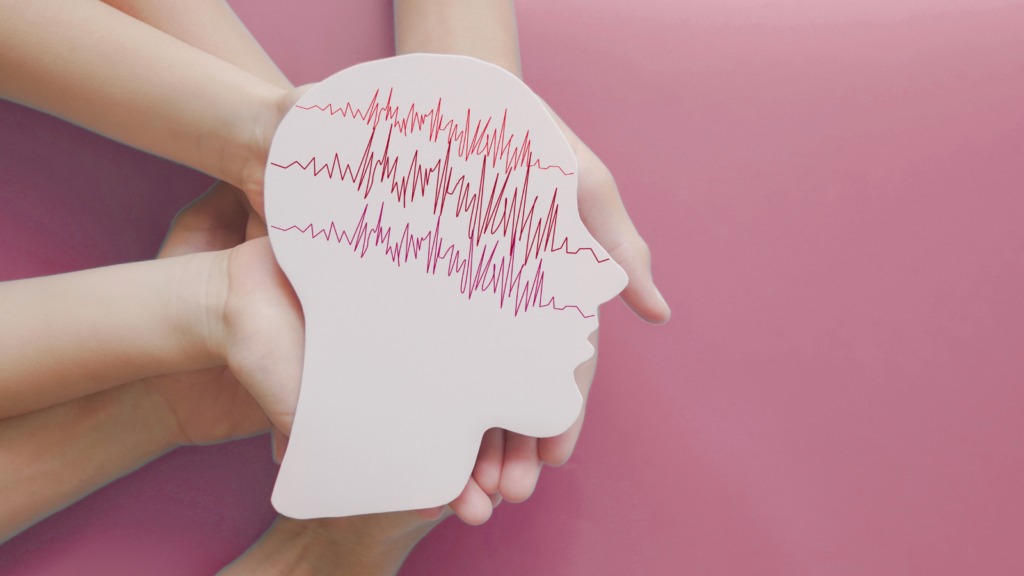
Brain injuries are among the most complex and life-altering consequences of an accident. Their effects are not always immediate, nor are they always visible, but they can fundamentally reshape a person’s independence, relationships and future plans.
Brain Awareness Week, led globally by the Dana Foundation, shines a spotlight on the remarkable complexity of the human brain. For those living with the consequences of a brain injury, however, awareness is not confined to a single week in the calendar — it is part of everyday life.
Within personal injury practice, we see first hand how a brain injury can alter the course of someone’s future. What may initially appear to be a straightforward accident — a road traffic collision, a fall, a workplace incident or a sporting injury — can have effects that extend far beyond the immediate physical trauma. While broken bones heal and visible wounds fade, the impact on the brain can be far less obvious and far more enduring.
Brain Injury Is Not Always Visible
Traumatic brain injuries (TBI) are commonly categorised as mild, moderate or severe. Yet the term “mild” can be deeply misleading. Even injuries classified as mild can result in significant and lasting symptoms, including:
• Memory difficulties
• Cognitive fatigue
• Problems with concentration
• Reduced processing speed
• Emotional regulation challenges
• Changes in personality or behaviour
These symptoms are often described as “invisible”. Individuals may look physically well and may even appear to function normally in short interactions. However, beneath the surface they may be struggling to retain information, manage everyday tasks or cope with overstimulation and fatigue.
It is not unusual for symptoms to emerge gradually. Adrenaline in the immediate aftermath of an accident can mask early signs of injury. Days or even weeks later, individuals may begin to notice that something does not feel right. Clients frequently describe a sense of frustration — knowing they are not the same as they were before, yet finding it difficult to explain precisely what has changed.
The Wider Impact on Daily Life
Brain injury rarely affects just one aspect of life. The ripple effects can be wide-ranging.
In the workplace, reduced concentration or mental stamina may make it difficult to return to previous roles, particularly in cognitively demanding professions. Tasks that once felt routine can become exhausting. Career progression may stall, or employment may no longer be sustainable.
At home, relationships can come under strain. Personality changes, irritability or emotional volatility are common features of some brain injuries. Family members may find themselves adjusting to a “new normal”, often taking on caring responsibilities without fully understanding the medical explanation behind the changes they are witnessing.
Mental health can also be affected. Anxiety, depression and reduced confidence frequently accompany cognitive impairment, particularly where independence has been compromised.
Rehabilitation: The Key to Recovery
There is, however, a strong and positive message within modern neuroscience. Research consistently demonstrates the brain’s capacity for adaptation — a concept known as neuroplasticity. With appropriate therapy and support, the brain can form new pathways and develop compensatory strategies.
Early access to rehabilitation is crucial. This may include:
• Neuropsychological assessment
• Cognitive rehabilitation therapy
• Occupational therapy
• Physiotherapy
• Speech and language therapy
• Case management support
In the context of a personal injury claim, rehabilitation should never be viewed as secondary to the legal process. Securing early intervention can significantly influence long-term outcomes. Where appropriate, interim payments can enable individuals to access private treatment and specialist support without unnecessary delay.
Planning for the Future
Serious brain injury cases require careful, forward-looking consideration. The impact may be lifelong, even where progress is made. Compensation must therefore reflect not only immediate losses, but future needs — including ongoing therapy, care support, assistive technology, adapted accommodation and loss of earning capacity.
Thoughtful planning can provide stability and reassurance at a time of great uncertainty. It allows individuals and families to focus on recovery rather than financial strain.
Why Awareness Matters
Charities such as Headway and The Brain Charity play an invaluable role in supporting those affected by brain injury. They offer practical guidance, emotional support and community connection — all of which are vital components of recovery.
Brain Awareness Week encourages greater public understanding of brain health. For those working in personal injury, it also reinforces a professional responsibility: to recognise that brain injury is complex, frequently invisible and deeply personal.
Brain injury is rarely straightforward. Its effects are not always immediately apparent, nor easily measured. But with the right medical treatment, rehabilitative support and careful legal guidance, individuals can rebuild their lives with dignity, structure and long-term security.
How Timms Can Help
Our team is here to help and support you. For further information or to discuss a potential claim, please contact us on freephone 0800 011 6666, via email at legal@timms-law.com or visit our website here.


