
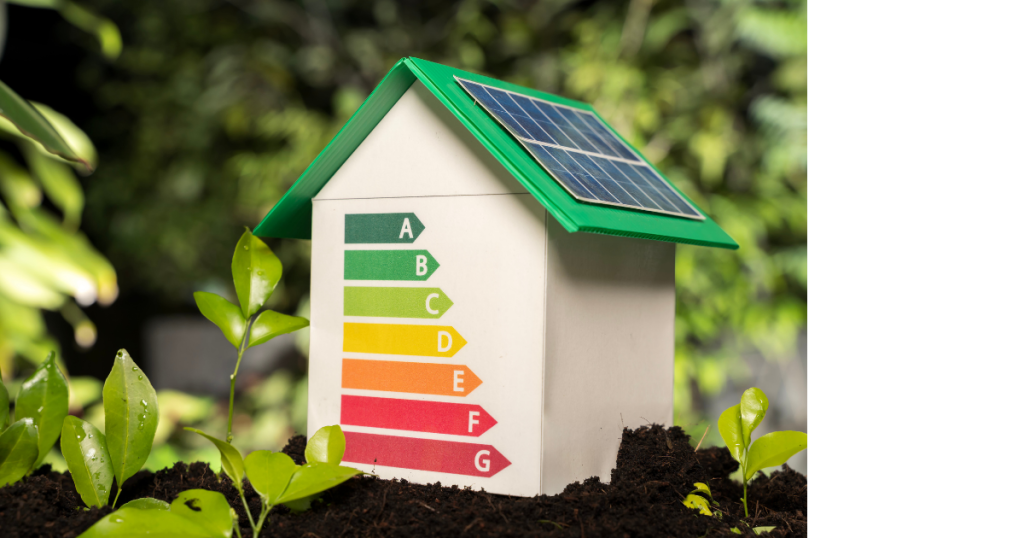
If you’re selling a house with solar panels, you may be wondering how they affect your property’s value and whether they make the process more complicated.
Solar panels have grown significantly in popularity in the last 15 years; helping homeowners reduce energy bills and reduce their carbon footprint.
The Pros of Selling a House with Solar Panels
Solar panels can make your property more attractive to buyers for several reasons:
Higher property value
Homes with solar panels can benefit from increased value, particularly as energy efficiency becomes more important to buyers. A property with lower running costs can stand out in a competitive market.
Lower energy bills
Prospective buyers are often drawn to the long-term savings that solar panels can provide. With rising energy costs, this can be a strong selling point.
Eco-conscious appeal
Sustainability is an increasing priority for many buyers. A home with solar panels offers an environmentally friendly option, which can broaden your pool of interested purchasers.
Improved EPC rating
Solar panels can improve your property’s Energy Performance Certificate (EPC) rating, making it more appealing and potentially easier to sell.
No installation hassle
Buyers benefit from an existing system without the upfront cost or disruption of installation, which can make your property more desirable.
The Cons of Selling a House with Solar Panels
While there are clear advantages to selling a house with solar panels, there are also some drawbacks:
Lender requirements
Some mortgage lenders may be cautious, particularly where solar panels are leased rather than owned outright. This can lead to additional checks during the conveyancing process.
Leased panels can cause delays
If your solar panels are subject to a lease agreement, this will need to be reviewed and potentially assigned to the buyer. This can involve extra legal work, costs, and time.
Concerns about roof structure
Buyers may raise questions about the condition and structural integrity of the roof, particularly where panels limit visibility during inspections.
Restricted roof access
Solar panels can make it more difficult to fully inspect the roof, which may lead to additional surveys or queries being raised during the transaction.
What to Prepare Before Selling
If you are selling a house with solar panels, being organised can make a significant difference. You should aim to have the following ready:
- All the relevant documents from when the panels were installed (such as the MCS certificate and electrical installation certificate).
- You may also want to contact your electricity provider to find out what the requirements are for transferring ownership to the buyer on completion as most will require a change of ownership form
- Confirmation in your fixtures and fittings form that the solar panels are included in the sale
- Obtain any information regarding Feed in Tariffs if applicable
- Obtain a copy of the lease (if not owned outright)
- Any structural surveys, planning permissions or covenant consent you may have required at the time of installation
The best thing you can do when selling your home with solar panels is to prepare.
How we can help
Selling a home with solar panels is usually straightforward and can have a positive impact on the property value. While there may be some additional considerations, particularly where panels are leased, these can be managed with the right preparation and advice.
If you are thinking about moving, our residential conveyancing team can guide you through every stage of the process, from instruction through to completion. For further details, please feel free to contact me on 01530 564498 or at l.bourne@timms-law.com.


